
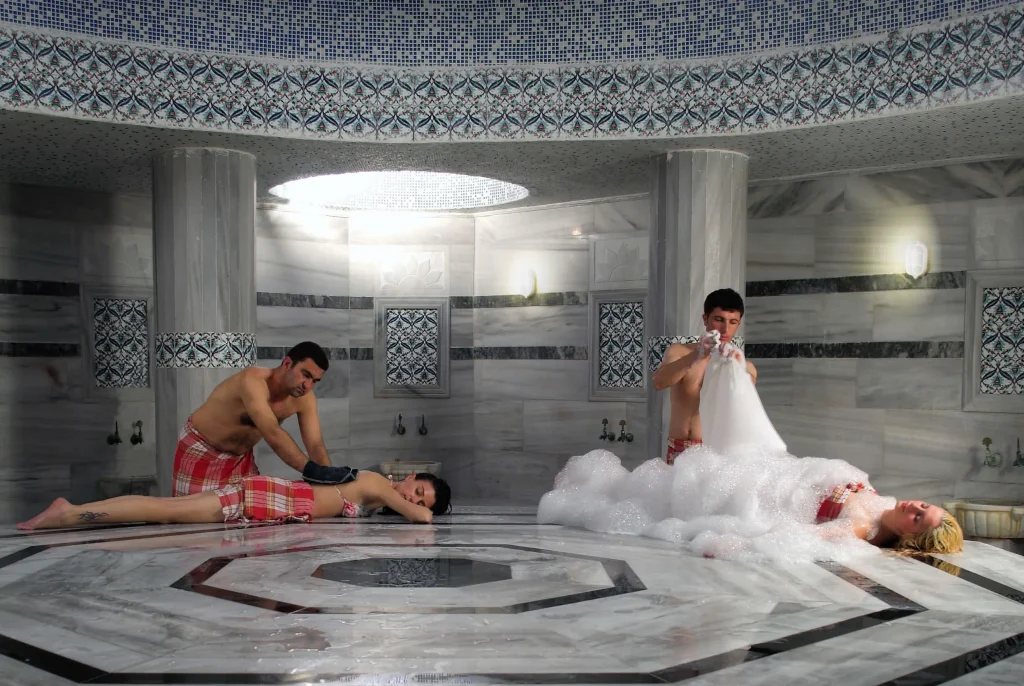
The Turkish bath, commonly known as Hammam, is more than a spa ritual; it is a living thread in the cultural fabric of Turkey and the wider Mediterranean and Middle Eastern world, where marble, steam, and quiet conversation convert cleansing into a shared ritual. Its atmosphere—domed arches, warm stones, and the soft murmur of attendants—frames a journey from cleansing to immersion, turning a routine wash into a meaningful social moment. This introduction traces Turkish bath history, linking Roman thermae origins to Byzantine refinements and Ottoman ambition, showing how architecture, ritual movement, and community norms coalesced into a distinctive cultural identity. Historically, the Hammam has functioned as a civic space where neighbors met, merchants traded stories, and travelers found hospitality, making the experience both personal care and public performance. Today, the tradition endures in heritage baths, modern spa spaces, and traveler narratives, inviting visitors to experience a timeless blend of cleanliness, warmth, and shared appreciation.
Seen from another angle, this ancient cleansing practice can be described as a steam bath tradition, a Hammam-inspired heritage of public bathing and hospitality that spans cities from Istanbul to Granada. In this framing, the space is not a single room but a sequence of interconnected areas where warmth, water, and human touch are choreographed to renew body and sociability. Other LSI-friendly terms include Ottoman bath culture, which foregrounds architecture and ceremonial routines, and the broader idea of Islamic Mediterranean wellness, emphasizing cleanliness, balance, and sociability across generations. As you read, you may encounter references to ritual cleansing, kese exfoliation, and aromatic oils—terms that point to the same practice through different cultural voices. Together, these terms map a shared heritage of public baths, sacred purifications, and community spaces that continue to influence modern wellness design and travel writing.
Origins and Evolution of the Hammam: From Roman Thermae to the Turkish Bath
The Turkish bath, or Hammam, traces its roots to the Roman thermae, where public baths functioned as civic spaces for cleansing, conversation, and commerce. This lineage anchors Hammam traditions in a broader Mediterranean and Near Eastern context, showing how bathing spaces evolved to serve social and spiritual needs. The blend of public ritual, architectural grandeur, and communal care set the stage for a cultural practice that would endure for centuries. Through this lens, Turkish bath history becomes a story of continuity, adaptation, and shared hygiene as a social art.
With the rise of the Ottoman Empire, the Hammam transformed from a functional cleansing facility into a ceremonial landmark. Public baths proliferated in cities and towns, becoming essential urban infrastructure that supported health, hospitality, and social life. The best-known Ottoman bath culture fused spa-like relaxation with ritual cleansing, architectural splendor, and gender-segregated spaces that fostered a sense of community and refinement. In the 16th and 17th centuries, iconic hammams arose in Istanbul and other major cities, often financed by sultans and patrons who valued public beauty, architecture, and the social value of communal cleansing, embedding Turkish bath history into the region’s identity.
Architectural Rituals: Space Design and the Three-Room Path of the Hammam
A Hammam’s design is a physical map of its ritual, guiding visitors through a carefully choreographed experience. Traditional Turkish baths typically feature a progression of rooms that gradually increase in warmth—cool or warm reception rooms lead to warmer chambers, culminating in a hot, steam-filled space designed to induce relaxation and cleansing. The central marble slab serves as the stage for cleansing and massage, while a domed ceiling and skylight create a celestial atmosphere that enhances the sensory journey. This architectural logic is inseparable from Hammam traditions, as space itself participates in the ritual.
In many Hammams, the classic three-room sequence—acclimation, warmth, and heat—governs the pace of cleansing. The gleaming marble, mosaic tile, and ornate details reflect the era’s aesthetics, turning architecture into a ceremonial partner in the patient work of purification. The design invites a tangible link between body, community, and history, aligning with Ottoman bath culture’s emphasis on balance, reverence, and hospitality as living parts of the experience.
Cleansing Rituals and Body Care: The Art of Traditional Hammam Rituals
The cleansing ritual blends hydrotherapy with tactile care in a sequence that begins with pre-cleaning. Washbasins, shampoos, and gentle rinses prepare the skin and hair, often accompanied by a washing attendant who guides guests through the steps of the ritual. This preparatory phase anchors Turkish bath etiquette by emphasizing respect, patience, and attentiveness to one’s own body.
Kese, a rough exfoliating glove, is used to remove dead skin and awaken the senses. After the scrub, a lathering massage with warm, soapy foam loosens dirt and impurities, followed by a rinse and possibly aromatic oil massage. The cleansing ritual is deeply relaxing, and the steam-soaked air helps open pores, improve circulation, and ease muscle tension, a testament to how traditional hammam rituals sculpt both physical wellbeing and social bonding.
Culture, Social Life, and Hospitality: Hammams as Community Hubs in Ottoman Bath Culture
Beyond cleansing, the Turkish bath has long served as a social hub where merchants, artisans, and travelers met, shared news, and negotiated deals. The Hammam was a theatre of social life where generosity, hospitality, and conversation thrived, turning visits into weekly or monthly rituals that reinforced community ties and offered respite from daily labor. This social dimension is a core aspect of Hammam traditions, highlighting how bathing spaces functioned as public forums for exchange and learning.
The cultural significance extends to architecture, literature, and art. Hammam aesthetics—gleaming marble, ornate arches, and the curved domes—became symbols of refined taste and cosmopolitanism. The rituals, balancing water, steam, and massage, mirrored values of balance, renewal, and reciprocity present across regional cultures. Even in modern contexts, the legacy of Ottoman bath culture informs spa design and wellness practices, reminding people of a shared heritage that transcends borders.
Modern Hammams: Preserving Heritage Within Contemporary Spa Culture
Today’s Hammams span the spectrum from ancient sanctuaries preserved as cultural heritage to contemporary spa facilities that fuse tradition with modern wellness. In historic cities, centuries-old bathhouses remain operational, often restored with sensitivity to original architecture to offer immersive glimpses into Ottoman-era luxury. This preservation preserves Turkish bath history while inviting new generations to experience age-old rituals in tangible, tactile settings.
At the same time, new spa centers and hotel properties incorporate Hammam-inspired spaces to provide authentic experiences alongside innovative therapies. Travelers encounter a spectrum of offerings—from traditional exfoliating scrubs and massages guided by seasoned attendants to modern steam rooms and hydrotherapy circuits designed for relaxation and fitness recovery. Across regions influenced by Hammam culture, the experience evolves while maintaining core principles of cleanliness, ritual, and communal warmth.
Visiting a Hammam: Practical Tips for a Respectful and Rewarding Experience
If you’re planning a visit, some practical tips can help you make the most of the Turkish bath experience. Research the venue’s etiquette, hours, gender arrangements, and whether pestemal (the traditional towel) is provided or what to bring. Understanding these details helps you approach the space with cultural sensitivity and readiness to participate in the ritual.
Respect local norms and follow staff guidance, especially in traditional settings where modest attire and decorum are valued. Prepare for the ritual sequence—wash, scrub, and massage—and consider asking for explanations of options such as massage intensity, oil types, and duration. Staying hydrated after the session and allowing time for relaxation in a quiet resting area completes the holistic experience, underscoring Turkish bath etiquette as a framework for mutual care and hospitality.
Frequently Asked Questions
What is a Turkish bath and how do Hammam traditions shape the experience?
The Turkish bath, or Hammam, is a ceremonial cleansing experience grounded in Hammam traditions. It blends architectural grandeur, steam, cleansing rituals, and social etiquette in a sequence of rooms, often ending with a cleansing massage. The experience emphasizes renewal, care, and community, reflecting centuries of cultural practice.
How does Turkish bath history reflect Ottoman bath culture?
Turkish bath history traces roots to Roman thermae and Byzantine influence, evolving into the Ottoman bath culture with grand public hammams. During the Ottoman era, these baths became essential urban infrastructure, centers of hospitality and social life, and examples of monumental architecture. Understanding Turkish bath history helps explain why hammams remain a cultural landmark today.
What are the key elements of traditional hammam rituals in a Turkish bath?
Traditional hammam rituals begin with a cleansing wash, followed by exfoliation with a kese, a foamy soap scrub, and a final massage with warm oils. The rituals take place in a steamy environment and are guided by an attendant, reflecting the core Turkish bath rituals and the emphasis on skin care, relaxation, and cleansing.
What etiquette should you follow when visiting a Turkish bath?
Turkish bath etiquette centers on respect, modesty, and following staff guidance. In many places, gender-segregated hours exist or private options are available, so observe posted schedules and dress codes. Bring a pestemal or towel if required, maintain quiet, and be patient with attendants who guide the ritual.
How do modern Hammams blend tradition with contemporary wellness in today’s Turkish bath culture?
Modern Hammams preserve traditional hammam rituals while incorporating spa amenities, hydrotherapy, and massage therapies. Historic hammams offer authentic experiences in a preserved architectural setting, while new wellness centers adapt the Turkish bath concept to contemporary guests with comfort and accessibility in mind.
Why is the Turkish bath culturally significant in Ottoman era and today?
The Turkish bath has long served as a social hub and symbol of hospitality, rooted in Ottoman bath culture and architecture. It reflects communal values of cleanliness, care, and conversation that shaped daily life. Today, the Hammam remains a bridge between past and present, preserving heritage while influencing modern spa design and wellness practices.
| Aspect | Key Points |
|---|---|
| Origins and History | Roots trace to Roman thermae and Byzantine influence, then transformation under the Ottoman Empire; public baths were urban infrastructure supporting health, hospitality, and social life. Ottoman hammams blended spa-like relaxation with ritual cleansing, architecture, and gender-segregated spaces, often funded by sultans and patrons. |
| Architecture and Spaces | A Hammam follows a progression of rooms warming from cool to hot, centered around a marble slab. Domed ceilings and skylights create a luxurious atmosphere; finishes include marble and mosaic with ceremonial detailing that invites renewal and a link between body and community. |
| Rituals and Etiquette | Cleansing rituals include pre-cleaning, kese exfoliation, lathered massage, and soap scrubs with oils. Attendants may guide the process. Traditional settings often use gender-segregated hours; today many Hammams offer mixed or all-gender options with emphasis on respect and modesty. |
| Cultural Significance and Social Life | Hammams have acted as social hubs where trade, news, and hospitality mingle. Aesthetics of marble, arches, and domes symbolize refinement; rituals reflect balance, renewal, and communal values that persist in modern spa design and wellness practices. |
| Hammams Today: Preservation and Modern Spa Culture | Heritage bathhouses are preserved as cultural landmarks, while new spa centers integrate Hammam-inspired spaces with contemporary therapies. Visitors encounter traditional scrubs and massages alongside steam rooms and hydrotherapy in a global wellness context. |
| Practical Tips for Visiting a Hammam | Research venues and etiquette, check hours and gender arrangements, bring or use provided pestemal towels, observe modesty and staff guidance, plan for the ritual sequence, stay hydrated, and allow time to rest after the session. |
Summary
HTML table provided above summarizes the key points about the Turkish bath (Hammam) from origins to modern practices and tips for visitors.

