
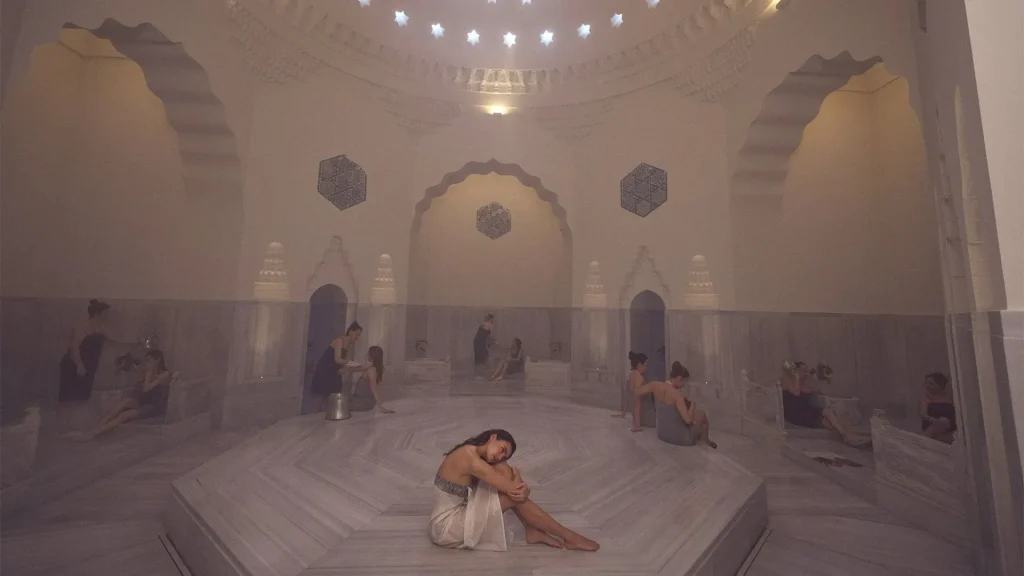
Turkish bath for beginners invites you into a time-honored ritual of cleansing, warmth, and slow, mindful social time. A guiding principle in hammam etiquette is to approach the space with quiet respect, soft conversation, and patience as your body adjusts to heat. This gentle introduction gives you a sense of the sequence, the steam, and the restorative calm that accompanies each step. As you prepare for your visit, you’ll gain practical tips on pacing, hydration, and how to ease into the ritual without rushing. With this foundation, the experience can become a soothing ritual that leaves you refreshed in body and mind.
From a broader perspective, the concept can be described as a traditional steam bath and cleansing ritual found in many cultures, where heat, gentle exfoliation, and quiet company come together in a ceremonial environment. The language shifts toward terms like bathhouse ritual, steam room experience, and cultural spa tradition, while the core aim remains relaxation, skin purification, and improved circulation. Travelers and locals alike discover the restorative cadence of heat, humidity, and rinse cycles, often in marble-clad rooms and dim, soothing lighting. In this broader framing, you’ll encounter similar benefits—softened skin, eased muscle tension, and a calmer mind—whether you call it a hammam, spa bath, or steam cleanse.
Turkish Bath for Beginners: A Gentle Start to Your First Hammam Visit
As a Turkish bath for beginners, this guide helps you approach the experience with confidence. You’ll learn what to expect, the basic flow, and how to manage nerves during your first hammam visit. The core idea is gradual exposure to heat, cleansing rituals, and social etiquette that makes the session restorative rather than intimidating.
From arrival to the final rest, the ritual blends heat, steam, exfoliation, and massage. In traditional hammams, marble surfaces, domed ceilings, and a calm, communal atmosphere support relaxation and circulation. By knowing the sequence and preparing a few simple questions for staff, you can walk into the bath with curiosity instead of hesitation.
What to Wear in a Hammam: Modesty, Comfort, and Cultural Norms
For reference, what to wear in a hammam is a common concern, and this section covers practical options.
A practical approach is to arrive with a lightweight towel and a clean change of clothes for after your session. If you plan to take part in any scrub or massage, privacy norms can vary by gender and by room. If you’re unsure, asking at the desk beforehand helps you respect others while staying comfortable.
Hammam Etiquette: Respectful Conduct for a Relaxing Experience
Hammam etiquette is the backbone of a peaceful, communal experience. Use the towel or pestemal as your primary cover, observe quiet conversations, and give others space to breathe in hot rooms. Being mindful of gender separation or mixed areas helps you move smoothly through the sequence.
Other practical tips include rinsing before entering the steam room, avoiding loud behavior, and tipping attendants if you appreciated the service. Health considerations, such as skin sensitivities or medical conditions, should be discussed with staff before exfoliation or massage.
The Turkish Bath Experience: A Step-by-Step Journey Through the Ritual
The Turkish bath experience unfolds as a step-by-step journey through the ritual. Expect an arrival, changing into a towel or robe, then a warm room to acclimate to heat, followed by steam, exfoliation, and cleansing with soap.
Attendants may perform a traditional kese scrub, with soap afterward, before a rinse and optional massage. The session usually ends with a short rest where you can rehydrate and slowly rejoin everyday activity, appreciating the calm that follows the heat.
Scrub, Soap, and Massage: Traditional Exfoliation and Attendant Roles
Scrub, soap, and massage are the core actions of traditional exfoliation in the hammam. The kese exfoliating glove helps remove dead skin and stimulate circulation, while the attendant (tellak or natır) performs or guides the cleansing soap application.
Rinsing and light massage can relieve muscle tension and improve circulation, after which you rest in a cool area. If you prefer privacy, discuss options for gender-specific attendants or private rooms before you begin.
Steam Benefits of Hammam: Aftercare and Maximizing Your First Hammam Visit
Understanding steam benefits of hammam helps explain why heat and humidity can ease muscles and soften skin.
To maximize your first hammam visit, stay hydrated, moisturize afterward, and allow time for rest before resuming strenuous activity. A gentle post-session routine—light stretching, a small snack, and avoiding heavy meals—helps your body recover and carry forward the calm you found in the steam.
Frequently Asked Questions
Turkish bath for beginners: what should I expect on my first hammam visit?
A Turkish bath for beginners typically follows a calm, progressive sequence rather than a spa sprint. You’ll usually go from arrival and changing to a warm room to acclimate, then steam, a traditional kese exfoliation with soap, a rinse, and often an optional massage before a short rest. Your staff guide helps pace the experience so your first hammam visit feels comfortable and restorative.
How does hammam etiquette apply to Turkish bath for beginners?
Hammam etiquette centers on respect, privacy, and a tranquil atmosphere. Use the towel or pestemal as your main cover, follow staff directions for exfoliation or massage, and keep conversations soft in shared spaces. When in doubt, ask at the desk before starting to ensure a respectful, comfortable experience.
What to wear in a hammam for a Turkish bath for beginners?
Most hammams provide a towel or pestemal to wrap around the body; robes or swimsuits are also common where allowed. Your choice depends on facility policy and comfort, so bring a lightweight towel and a clean change of clothes for after. Be aware that privacy norms can vary by gender or room, so ask staff if you’re unsure.
What is the Turkish bath experience like for beginners, and what rituals should I expect?
The Turkish bath experience for beginners typically includes a sequence: arrival and changing, a warm room to acclimate, steam and relaxation, exfoliation with kese and soap, a rinse, and an optional massage, followed by rest. Each step aims to cleanse, relax, and renew the skin, with staff guiding you through the pace and intensity.
What are the steam benefits of hammam for beginners?
Steam in a hammam helps soften skin, loosen muscles, and improve circulation, contributing to relaxation. It also supports pore cleansing and can enhance the feel of subsequent exfoliation and massage. Remember to stay hydrated and rest after the steam for best benefits.
How should a Turkish bath for beginners choose a hammam for their first hammam visit?
Choose a facility with clear privacy policies, transparent pricing, and available attendants for exfoliation or massage. Check gender guidelines, included services, and whether towels or robes are provided. Reading reviews and asking questions in advance helps ensure your first hammam visit is comfortable and well matched to your preferences.
| Topic | Key Points (English) |
|---|---|
| What is a Turkish bath? | A traditional steam bath (hammam) emphasizing a cleansing ritual with heat, steam, exfoliation, and massage; architecturally marble, domed ceilings; communal and contemplative; aims to promote circulation, relaxation, and skin renewal; also a cultural wellness ritual. |
| Preparing for your visit | Adopt a mindset of gradual exposure to heat; arrive hydrated; wear comfortable clothing for after; pace may vary by facility; learn basic phrases or questions for staff. |
| What to wear | Towel or pestemal is common; robes or swimsuits may be available; bring a lightweight towel and change of clothing; privacy norms vary by gender or section. |
| The ritual steps | Typical sequence: arrival/change, warm room (torbal), steam/relaxation, scrub with kese and soap (attendant may be male or female), rinse, optional massage, rest and hydration. |
| Etiquette & comfort | Respectful behavior: use towel/modesty, pre-rinse, maintain quiet, tip if appropriate, avoid photos, follow health guidance for exfoliation or massage. |
| Benefits | Steam softens skin, may improve circulation, relaxes muscles, supports stress relief and a sense of well-being; not a substitute for medical care. |
| First-timer tips | Ask about services (scrub, massage, etc.); typical visit lasts 60–90 minutes; stay hydrated; aftercare includes cleansing, moisturizing, and rest. |
| Choosing the right hammam | Historic vs modern facilities; check privacy policies, staff availability, pricing and inclusions; read reviews and note language support. |
| Culture & variations | Local differences in heat, room temps, and touch levels; approach with openness; follow staff guidance and adjust comfort level. |

