
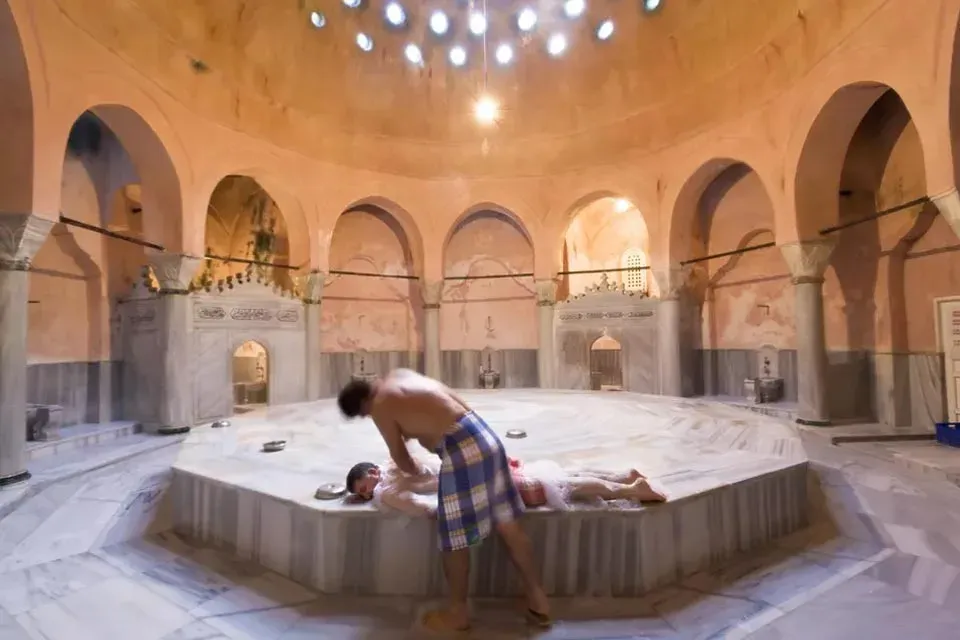
Turkish bath experiences invite travelers into a vivid ritual that blends culture, history, and renewal. Across cities and continents, the hammam rituals weave warmth, steam, and cleansing into social moments that reward patience and curiosity. From Istanbul hammams to hidden spa corners worldwide, the tradition has evolved while preserving its essence of warmth and ritual. These experiences offer a pathway for wellness travel, inviting visitors to slow down, inhale aromatics, and partake in a tactile ceremony that sits within the broader spa culture and the world of thermal baths. Whether you seek grand marble architecture or intimate, modern spaces, Turkish bath experiences promise a sensory voyage that nourishes body and spirit.
Viewed through an alternative lens, this tradition is a steam bath ritual and bathhouse experience that blends Ottoman design with modern wellness aesthetics. The language shifts to hammam, bathhouse, and spa ritual, emphasizing heat, cleansing, and sociable quiet rather than mere hygiene. Travel writers describe these moments as a cultural spa journey—an opportunity to witness meticulous rituals, exfoliation, and oil massages within welcoming, marble-warmed spaces. In essence, the Turkish bath offers an immersive wellness ritual rooted in centuries of hospitality, architecture, and shared retreat.
Frequently Asked Questions
What are the core elements of Turkish bath experiences, and how do hammam rituals unfold in Istanbul hammams?
Turkish bath experiences center on hammam rituals of heat, cleansing, and relaxation. A typical sequence includes warming in a warm room, a hotter room to loosen muscles, a kese exfoliation, a luxurious soap wash and foam, a massage, and a final rinse with tea. In Istanbul hammams, marble slabs, domed ceilings, and attentive attendants frame the ritual, illustrating the city’s enduring spa culture. The goal is mindfulness, social connection, and a renewed sense of well-being as much as cleanliness.
How should I prepare for a Turkish bath experiences visit to experience authentic spa culture while traveling for wellness travel?
Plan by understanding the ritual steps, dress code, and what’s included in the price. Most hammams provide towels or pestemals; bring an extra towel, sandals, and a change of clothes. Hydrate before and after, and pace yourself to savor the experience. Framed by spa culture and wellness travel, look for venues that clearly explain each step and any gender or privacy arrangements.
What are the main differences between historic Istanbul hammams and modern spa spaces when experiencing Turkish bath experiences, and where do thermal baths fit in?
Historic Istanbul hammams offer ceremonial architecture and the full hammam rituals, with elaborate marble spaces and attendants guiding the process. Modern spa spaces may streamline the sequence while preserving heat, exfoliation, and massage, while still offering a sense of ritual. Across Tangier, Marrakesh, and other cities, thermal baths and local spa cultures blend Turkish techniques with regional flavors to create unique Turkish bath experiences.
What health benefits do Turkish bath experiences offer, particularly through thermal baths, exfoliation, and massages?
Turkish bath experiences can deliver tangible wellness benefits: warm steam relaxes muscles and opens pores, exfoliation reveals smoother skin, and massage aids circulation. Thermal baths contribute to heat therapy, while the overall rhythm of the ritual supports relaxation and better sleep. Many travelers report a sense of release and renewed energy after the session, aligning with wellness travel goals.
What etiquette and participation tips should first-time visitors know about hammam rituals during Turkish bath experiences?
To participate respectfully in hammam rituals, arrive a bit early to acclimate, and follow staff instructions through each phase. Respect privacy and quiet in steam rooms, and let attendants guide you through exfoliation or washing if you’re unsure. You can opt out of any step, wear modest coverings where required, and maintain a calm, courteous demeanor—this is part of the spa culture and wellness travel experience.
How can I weave Turkish bath experiences into a broader wellness travel plan while respecting local customs and spa culture?
Integrating Turkish bath experiences into a wellness travel plan means selecting venues that emphasize ritual and hospitality across Istanbul hammams or Tangier hammams. Look for places that publish the full ritual sequence and respect for tradition, and plan downtime afterward to reflect and hydrate. Pair a hammam visit with other spa culture activities—steam, massage, and aromatics—to enrich your wellness travel itinerary.
| Key Point | What It Is | Typical Elements | Relevance |
|---|---|---|---|
| Overview | Turkish bath experiences are centuries-old rituals blending warmth, steam, cleansing, and social well-being. | Warm room, hot room, kese exfoliation, soap lather, rinses, massage, tea or sherbet. | Introduces travelers to a culture-rich wellness practice that blends mindfulness with sociability. |
| Core ritual sequence | A progression through spaces and cleansing steps designed for relaxation and purification. | Warm room, hot room, kese exfoliation, soap wash, massage, final rinse, tea. | Shows the ritual’s rhythm and tactile, mindful experience. |
| Istanbul: cradle of hammam tradition | Istanbul’s historic hammams are architectural and cultural treasures that anchor the practice. | Marble slabs, domed ceilings, steam, guided sequences, tea lounges. | Illustrates traditional context and ceremonial atmosphere that define many experiences. |
| Global reach and regional variations | Turkish bath-inspired experiences have traveled worldwide, adapting to local flavors. | Tangier’s Moroccan hammams; Cairo spa spaces; European thermal baths; regional products like savon noir and rhassoul. | Demonstrates adaptability and cross-cultural exchange in wellness travel. |
| Etiquette and participation | Respectful behavior and practical guidelines enhance comfort and safety. | Separate or mixed gender sessions; modest dress; hydration; staff guidance; quiet demeanor. | Helps travelers engage respectfully and maximize benefit. |
| Health and wellness benefits | Regular steam and exfoliation support physical relaxation and mental well-being. | Muscle relaxation; open pores; improved circulation; refreshed skin; better sleep. | Frames the experience as a wellness activity with lasting effects. |
| Planning your hammam visit | Choosing venues and preparing to participate thoughtfully. | Research rituals; towels; sandals; modest wear; hydration; arrive early; learn phrases. | Guides travelers to a respectful and rewarding experience. |
Summary
Turkish bath experiences invite travelers to slow down, listen to their breath, and participate in a living tradition that weaves culture, history, and ritual into everyday wellness. Across marble halls from Istanbul to Tangier, warmth and steam become gateways to mindful social connection, exfoliation, and rejuvenation. These rituals, performed with respect and curiosity, reveal how communities cleanse bodies and nourish senses while maintaining a timeless sense of hospitality. Whether exploring historic hammams or modern spa spaces, Turkish bath experiences offer a rich, sensory journey that nourishes body, mind, and spirit and invites return visits to deeper wellness.

