
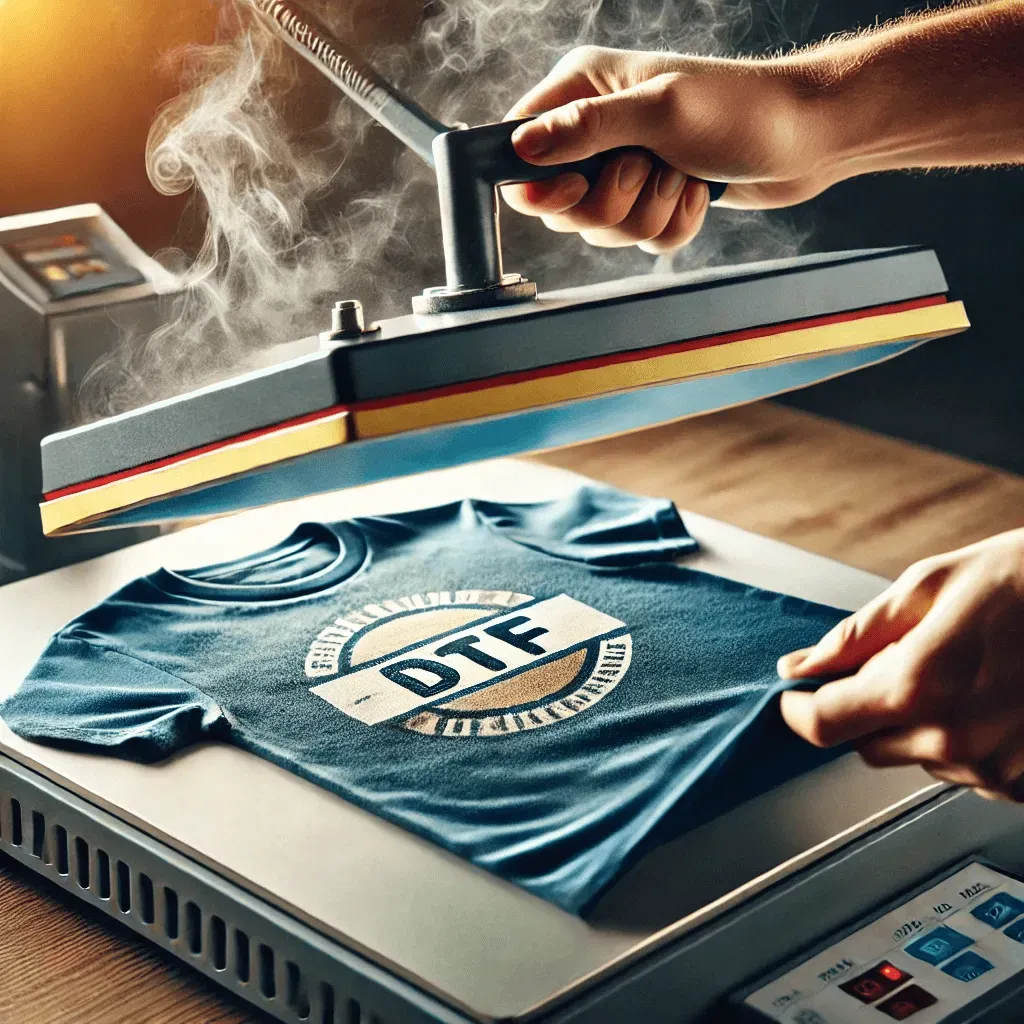
DTF transfers open a vibrant, durable path for decorating fabrics, reshaping how designers think about the technology and the broader DTF transfer process as a practical, scalable decoration method. For newcomers, learning how to apply DTF transfers efficiently means mastering clean prep, precise DTF printing on textiles, accurate color management, and careful finishing that preserves colorfastness and adhesion across fabrics, even when working with blends or darker substrates. Starting with a solid workflow—mirroring the recommended DTF transfer process from fabric prep to final cure—helps ensure predictable outcomes and repeatable results, even on varied garment cuts, densities, and print sizes. Key factors include selecting compatible fabrics, calibrating the DTF heat press settings for consistent pressure and temperature, checking alignment with layout guides, and testing a small sample before production, then documenting results for future runs. With troubleshooting DTF transfers in mind, you can diagnose issues early, maintain color fidelity, and deliver professional results across small runs and larger orders.
Another way to describe this technology is the transfer film method, a film-based decoration approach that starts with printing a design on a specialty sheet and ends with heat-activated adhesion to fabric. Common LSIs include terms like direct-to-film decoration, print-on-film technology, adhesive-powder binding, and heat-press transfer, all pointing to the same process from digital art to wearable item. By exploring these related concepts, designers can compare workflows, equipment, and fabrics across vendors, while keeping the focus on color fidelity, durability, and wash fastness. Using alternative terminology helps broaden research, enable better supplier conversations, and improve SEO performance by aligning with varied search intents.
DTF transfers: Understanding the core process from prep to final cure
DTF transfers follow a clear, end-to-end workflow that starts with meticulous prep and ends with a secure, lasting bond on fabric. Understanding each stage—the DTF transfer process from design to final curing—helps ensure consistent results. This includes making smart fabric choices, setting up a stable workspace, and planning the print layout to minimize edge issues during pressing.
By mastering the full sequence—prep, printing on film, powdering and curing, then the final transfer—you can optimize color fidelity and adhesion. Focusing on these steps also improves wash fastness and durability, especially when working with a variety of fabrics. A methodical approach to the DTF transfer process reduces trial-and-error time and elevates the professional quality of your results.
How to apply DTF transfers: A practical, step-by-step workflow
This subheading covers the practical application of DTF transfers, guiding you through a step-by-step workflow from initial design to garment placement. When learning how to apply DTF transfers, mirroring the design for correct orientation, planning the placement, and securing the print in place are essential. A well-planned design layout helps prevent shifting during pressing and ensures consistent results across multiple garments.
The process continues with printing on the film, ensuring a clean white underprint when needed, and drying the print before powdering. Following best practices in printing on film sets the foundation for a durable transfer, and the subsequent powdering and curing steps lock the image in place for a strong bond to fabric.
DTF printing on textiles: Best practices for vibrant, durable results
DTF printing on textiles relies on fabric compatibility and high-quality ink systems. Selecting 100% cotton or compatible blends and using a DTF-ready workflow contribute to color vibrancy and adhesion. In practice, the right textile choice, together with proper white underprint usage on darker fabrics, yields brighter designs and reduces color shifting after washing.
In the printing phase, color management and calibration of profiles are key for faithful reproduction. Paying attention to ink consistency, proper drying, and post-print inspection helps catch misregistrations or smudges early, ensuring the final transfer looks sharp on every garment.
DTF heat press settings: Optimizing time, temperature, and pressure by fabric
Setting up DTF heat press parameters correctly is crucial for a durable transfer. A typical starting point is around 160-170°C (320-338°F) for 8-15 seconds, but adjustments may be needed based on film, adhesive, and fabric type. Always begin with a test piece to dial in the exact heat press settings for your project, especially when working with blends or synthetics.
Equally important is achieving even pressure and protecting the print with a silicone sheet or parchment. Controlling pressure ensures uniform adhesion across the design, reducing the risk of ghosting or edge peel. Remember to follow the film or adhesive manufacturer’s guidelines for time and temperature to maintain color integrity and bond strength.
Troubleshooting DTF transfers: Quick fixes for common issues
Even with careful preparation, issues can arise. Troubleshooting DTF transfers involves identifying problems like color bleeding, smudging, or ghosting and implementing targeted fixes. Verify white underprint coverage, ensure the printed film is fully dry before powdering, and confirm that adhesive compatibility matches the fabric and transfer design.
Edge peeling, cracking, or fading after washing are other common concerns. Address these by reassessing heat press time and temperature, ensuring the garment was flat during pressing, and checking that the curing process was properly completed. A steady focus on this troubleshooting DTF transfers approach helps you deliver consistently durable results.
Maintenance and best practices for long-lasting DTF projects
Sustainable success with DTF projects relies on ongoing maintenance and disciplined best practices. Regular equipment care—cleaning print heads, monitoring ink levels, and calibrating color profiles—keeps results consistent across runs. Documenting settings for different fabrics and films creates a reliable knowledge base for future projects.
Beyond the machine, safety and process discipline matter. Use a well-ventilated workspace, wear protective gear as needed, and follow adhesive powder and film manufacturer guidelines. Establishing quality checks, test prints, and clear post-care instructions helps protect your investment and extend the life of your designs.
Frequently Asked Questions
What are DTF transfers and what is the DTF transfer process?
DTF transfers (Direct-to-Film) are a textile decoration method that prints a design onto a specialty film, applies an adhesive powder, and then uses a heat press to transfer the image onto fabric. The DTF transfer process includes prep, printing on film, powdering and curing, alignment on the garment, the actual transfer, and post‑press care to maximize durability. This method delivers vibrant color, strong adhesion, and compatibility with a wide range of fabrics.
How to apply DTF transfers to fabric?
Start with clean, prepped fabric and a stable workspace. Align the cured film on the garment and secure it in place to prevent shifting. Use a heat press at the recommended DTF heat press settings for the fabric, applying even pressure for the specified time, then remove the carrier sheet according to instructions. Allow the print to cool and follow post‑press care guidelines for best results.
What should I know about DTF printing on textiles for best results?
DTF printing on textiles typically uses a printer with white ink capability and a suitable transfer film. Calibrate color profiles for faithful reproduction and apply a white underprint on dark fabrics to boost brightness. After printing, ensure the film is fully dry before powdering to prevent clumps and misregistration.
What are the recommended DTF heat press settings for reliable results?
A common starting point is 160-170°C (320-338°F) for 8-15 seconds with medium to firm pressure. Always test on a similar fabric to account for blends and film differences, and adjust time or temperature as needed. Maintain even pressure across the design and follow the film manufacturer’s guidance.
How can I troubleshoot DTF transfers if something goes wrong?
Common issues include color bleeding, peeling at edges, cracking, fading, or ghosting on darker fabrics. Fixes involve confirming a proper white underprint, ensuring the printed film is fully dry before powdering, using even pressure, and verifying heat time and temperature. Reprint or adjust alignment if misregistration occurs.
What maintenance and care steps help DTF transfers last longer?
Regular maintenance includes cleaning print heads and calibrating color profiles, plus documenting settings for different fabrics and films. Run small test prints before larger runs to catch issues early. After transfer, wash garments inside-out in cold water and avoid high heat in the first few washes to maximize durability of DTF transfers.
| Aspect | Key Points |
|---|---|
| Intro / What are DTF transfers | DTF transfers involve printing on film with an adhesive powder, curing, and transferring to fabric with a heat press to produce a full-color, durable image. Suitable for cotton, blends, and some synthetics; emphasizes prep, printing, powdering, curing, and pressing for best results. |
| 1) Prep | Fabric: 100% cotton or blends; pre-wash and remove finishes. Workspace: flat, stable surface with silicone or heat-resistant mat; protect with parchment. Design: mirror image, plan placement and margins; verify color separation if multiple colors. |
| 2) Printing on film | Use a DTF-ready printer with white ink; calibrate color profiles. Use correct film and adhesive layer. White underprint improves vibrancy on dark fabrics. Ensure print is dry before applying adhesive powder and inspect for smudges or misregistration. |
| 3) Powdering and curing | Evenly coat with adhesive powder; avoid excess. Shake off excess and leave a light, uniform coat. Cure/dry powder per manufacturer guidance; avoid overheating. After curing, brush off loose powder for a clean surface. |
| 4) Preparing for the transfer | Position the cured print on the garment; use alignment aids. Secure with pins or low-tack tape. Cover with silicone/ parchment/ or Teflon sheet. Plan heat press temperature and time for final transfer. |
| 5) The transfer | Heat press around 160–170°C (320–338°F) for 8–15 seconds. Apply medium to firm pressure for full contact. Peel: hot or cold peel depending on material guidance; follow manufacturer recommendations. |
| 6) Post-press care | Allow cooling before handling. Wash cold, inside-out; avoid high-heat drying for initial washes. Inspect for defects and perform touch-ups or reprints if needed. |
| 7) Troubleshooting | Common issues: color bleeding, edge peeling, cracking, fading after washing, ghosting on dark fabrics. Fixes involve adjusting print quality, white underprint, drying, pressure, temperature, and care instructions. |
| 8) Maintenance & best practices | Regular cleaning/calibration of equipment; keep process logs; run test prints; follow safety guidelines and maintain quality checks. |
Summary
DTF transfers are a versatile, durable way to decorate textiles, and this descriptive conclusion highlights a clear, step-by-step approach from prep to finish. By focusing on careful fabric selection, correct printing with white underprint, precise powdering and curing, accurate alignment, and mindful post-press care, you maximize color fidelity, adhesion, and wash fastness across cotton, blends, and select synthetics. This method supports small businesses, hobbyists, and custom apparel makers seeking professional, long-lasting results. Consistency in heat press settings, tooling, and troubleshooting turns each project into a repeatable process, ensuring vibrant designs that endure through multiple washes and daily wear.

