
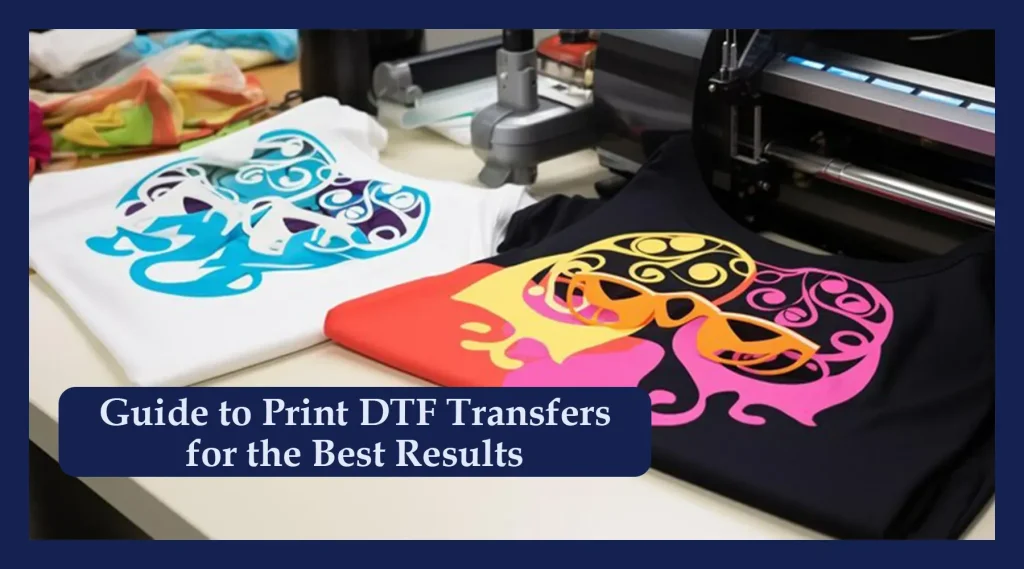
DTF transfers are a popular choice for makers seeking vibrant prints with a soft handfeel across apparel, offering durability and flexibility that suit everything from basic tees to performance fabrics, travel bags, and lightweight hoodies in any color. If you’re new to textile customization, learning how DTF printing works, understanding the DTF transfer process, and reading DTF printing explained for beginners can save you time and money, reduce trial-and-error waste, and help you plan smarter batches that scale. This guide also contrasts the transfer-based technique with other printing approaches, including DTF vs screen printing, so you can weigh durability, color richness, and setup speed when choosing the right method for a given project in real-world conditions and across a range of fabrics. We’ll cover materials, workflow realities, and the DTF transfers best practices that lead to durable, color-rich results on a wide range of fabrics, including cotton, blends, and some synthetics, while outlining common missteps and how to avoid them. With clear steps and practical tips, you can produce professional-looking designs with confidence, turning experimental designs into reliable products that maintain vibrancy after washing and wear, for your team, clients, and your own shop’s growing catalog in future seasonal releases.
Direct-to-film printing, often called a film-to-fabric transfer, relies on printing a design onto PET film, applying a heat-activated adhesive powder, and sealing the image to fabric with a hot press. This approach shares many concepts with DTF terminology, but the emphasis remains on understanding the material flow, color management, and practical considerations such as fabric compatibility and wash durability for next-day production. If you want to compare methods, look at how film-based transfers interact with different fabrics, how the color base behaves on dark or light materials, and how workflow choices affect time to market.
DTF Transfers Explained: How DTF Printing Works
DTF transfers involve printing a design on a PET film using water-based inks, including white ink, and then applying a hot-melt adhesive powder. After curing, the design is heat-pressed onto fabric to create a durable, colorful image that adheres to cotton, blends, and some synthetics.
This approach delivers vibrant colors and a soft hand feel, and it lays the groundwork for understanding how DTF printing works and why white ink and adhesive powder are critical components in the process.
DTF Transfer Process: From Design to Fabric
The DTF transfer process starts with design and prep, then printing on PET film, powder coating, curing, and pressing onto fabric.
There is more detail about alignment, mirror printing, drying times, and curing to ensure the transfer adheres properly and offers good wash durability.
DTF Printing Explained for Beginners: A Simple Start
For newcomers, DTF printing explained for beginners begins with understanding the key elements: white ink as the base on dark fabrics, the role of adhesive powder, and the PET film that carries the design.
Color management and proper sizing are essential to reproduce intended hues; the process is flexible across cotton, blends, and some synthetics, making it approachable for hobbyists and small businesses.
DTF vs Screen Printing: Pros, Cons, and Fit for Your Project
DTF vs screen printing: Screen printing is cost-effective for large runs and highly durable, but has slower setup and less flexibility for small orders. DTF excels in speed, small-batch readiness, and printing photorealistic designs on dark fabrics.
When deciding, consider run size, artwork detail, and fabric type; DTF is often preferred for short runs with complex gradients, while screen printing remains strong for high-volume, simple color overlays.
DTF transfers: Best Practices From File Prep to Curing
DTF transfers best practices start with file setup and color management: use high-resolution artwork, convert colors to the printer’s color space, and allow room for curing shifts.
Other best practices include applying a solid white underbase on dark fabrics, uniform powder coating, precise curing temperatures and dwell times, and fabric testing to ensure wash durability.
Common Issues and Troubleshooting in DTF Transfers
Common issues include fading colors after washing, peeling or cracking, and white ink not appearing vibrant. These symptoms point to problems in ink density, underbase choice, or curing steps.
To troubleshoot, verify printer calibration, underbase strength, powder curing, and heat press settings; ensure clean film release and achieve proper edge detail by using high-resolution artwork and consistent press parameters.
Frequently Asked Questions
How DTF printing works and what is the DTF transfer process?
DTF transfers are created by printing a design on a PET transfer film with water-based inks, including white ink to ensure opacity on dark fabrics. After printing, a hot-melt adhesive powder is applied, cured, and the film is heat-pressed onto the garment to form a durable image. This process yields vibrant color, a soft hand feel, and compatibility with cotton, blends, and many synthetics.
What does the DTF transfer process look like from design to finished garment?
From concept to garment, the DTF transfer process typically follows these steps: design prep and color management, printing on PET film with white ink, powder coating and curing, film alignment, and heat pressing onto fabric. A controlled heat press (around 160–170°C / 320–340°F) for a brief dwell time is often used, followed by a post-press cure to maximize adhesion. Proper alignment, edge trimming, and fabric testing help ensure sharp images and durability.
DTF printing explained for beginners: what are the core concepts I should know?
DTF printing explained for beginners centers on a few core concepts: white ink underbase for opacity, adhesive powder to glue the design to fabric, and a PET film that carries the image to the garment with heat and pressure. Color management and correct fabric compatibility are essential to reproduce the intended look. The method works on a wide range of fabrics, including cotton, blends, and some synthetics.
DTF vs screen printing: how do these methods compare for cost, durability, and color on apparel?
DTF vs screen printing highlights different strengths: DTF is great for small runs, fast setup, full-color designs on dark fabrics, and easier color edits, while screen printing excels at large-volume runs and high durability with longer setup times. Screen printing can be more cost-efficient per unit for very large orders, but it’s less flexible for multi-color details and on garments with uneven textures. Overall, DTF offers faster turnaround and versatility; screen printing offers potentially lower unit costs at scale and rugged durability.
What are the best practices for DTF transfers to maximize durability and wash fastness?
DTF transfers best practices include starting with clean, high-resolution designs and solid color management, using a solid white underbase on dark fabrics, and applying a uniform adhesive powder layer. Cure the powder properly and follow precise heat press temperatures and dwell times, then ensure proper cooling and post-press curing. Finally, test fabrics, document targets, and provide appropriate wash-care instructions to preserve durability.
Are DTF transfers durable on cotton blends and dark fabrics?
DTF transfers are generally durable on cotton blends and other fabrics when properly cured and cared for. The white ink base helps opacity on dark fabrics, and a controlled heat-press process with adequate cure improves adhesion. As with any method, performance depends on fabric type, care, and following best practices for curing and washing.
| Topic | Key Points |
|---|---|
| What are DTF transfers? | DTF transfers stand for direct-to-film transfers. A design is printed on PET film using water-based inks (including white). After printing, a hot-melt adhesive powder is applied and cured, then the design is heat-pressed onto fabric to yield a durable, colorful image that adheres to cotton, blends, and some synthetics. |
| How DTF transfers work (step-by-step) | 1) Design/prep: artwork in vector or high-res format; color management; embed fonts; size for garment; include bleed/margins. 2) Printing on PET film: print with white ink base; mirror image if needed; allow to dry. 3) Powder coating: apply hot-melt adhesive powder while ink is tacky; remove excess; cure. 4) Curing the film: quick cure to fix powder/inks. 5) Aligning/pressing: place on garment; heat-press at ~160–170°C (320–340°F) for 15–25s; cool and peel. 6) Post-press curing on fabric: optional final press; let cure before handling. 7) Final checks: ensure adhesion; 8) Fabric cooling and wash-ready. |
| Materials and equipment | DTF printer with white ink capability; PET transfer film; hot-melt adhesive powder; powder curing equipment or suitable heat source; heat press or conveyor dryer; trimming tools; quality inks and cure times; color management workflow; follow manufacturer recommendations. |
| Why people choose DTF transfers | Color-rich prints on a wide range of fabrics (dark and light); soft hand feel; versatile and scalable for small runs; easier color editing and fast proofing; capable of complex gradients and photo-realistic images. |
| Best practices for quality and durability | Start with clean, high-res files; convert colors to the printer color space; use a solid white underbase on dark fabrics; apply a uniform powder layer; follow precise curing temps, times, and pressure; test fabrics; ensure wash durability; follow post-press care guidelines. |
| Troubleshooting common issues | Fading colors after washing: adjust ink density, color management, and curing. Peeling or cracking: verify cure, temperature, and pressure. White ink not vibrant: check white ink formulation and printer calibration. Film not releasing cleanly: ensure proper cure and post-press steps. Grainy or blurry images: confirm high-resolution artwork and correct print settings. |
| Tips for newcomers | Start with a small test run on similar fabric; log press temps, times, and pressures; use consistent film and powder brands; document color targets and proofs; wear PPE when handling powders and hot equipment. |
| Frequently asked questions | Durability on cotton/blends: yes with proper curing and care. Photo-quality prints: yes, DTF handles complex colors and gradients. Special printer needed: a printer capable of white ink. Startup costs: higher than basic iron-on, but per-unit costs drop with volume. Wash durability: can withstand multiple washes with proper care. |

