
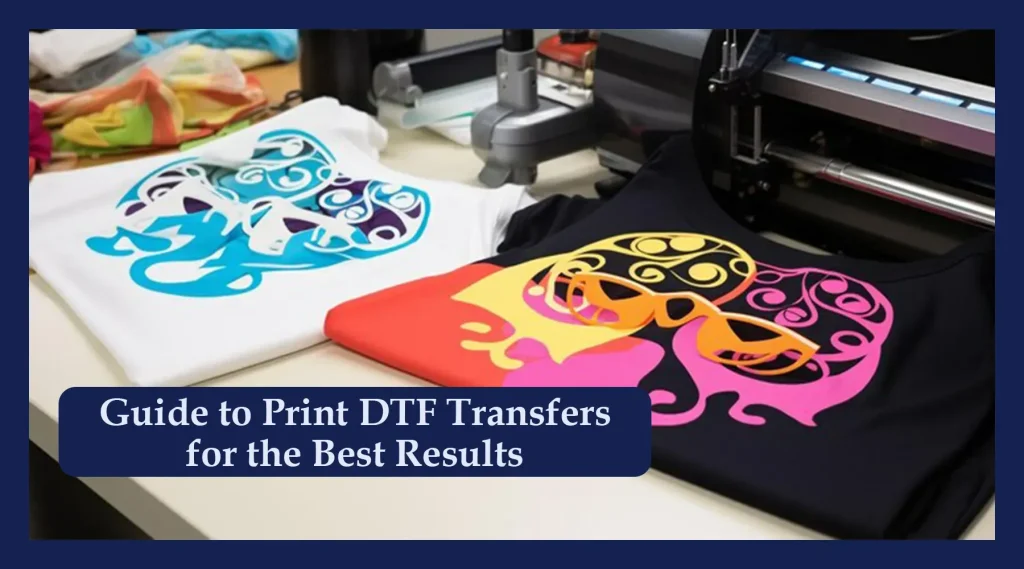
DTF transfers have transformed DIY fashion, delivering durable, vibrant designs on fabric without the complexity of traditional screen printing. If you’re exploring how to apply DTF transfers at home, you’ve found a practical, beginner-friendly route to high-quality results. This guide covers what DTF transfers are and offers a clear, step-by-step approach to DTF transfer printing for hobbyists and small makers. You’ll also find practical tips, from pre-press prep to finishing touches, with notes on DTF heat press tips to improve consistency. With a focus on ease of use and the best fabrics for DTF printing on textiles, you’ll master the DTF fabric transfer technique and enjoy durable, soft results.
From a different angle, this approach is a film-based decorating method that uses adhesive-coated sheets to move color and patterns onto fabrics. In LSI terms, you’re working with film-to-fabric transfer technology, a heat-activated process that performs well on cotton, blends, and some synthetics. Thinking in related topics such as fabric transfer technique, printing on textiles, and heat-apply workflows helps you choose fabrics, temperatures, and timing with confidence.
DTF transfers at Home: What They Are and Why They Excel for Home Crafting
DTF transfers involve printing a design onto a specialized film, applying a glue powder, and then transferring the image to fabric with heat. This process, often referred to as DTF transfer printing, yields a soft, flexible print with vibrant color and excellent wash durability. It’s a practical option for home crafters who want professional-looking results without the complexity of traditional screen printing or DTG methods.
For the home crafter, DTF transfers offer a compelling balance of quality and convenience. They work well on a wide range of textiles, from cotton and polyester blends to some poly-rich fabrics, and they’re relatively forgiving of minor fabric imperfections. When compared to vinyl or screen-print processes, DTF transfers are easier to reproduce designs on multiple items and often provide better color fidelity and softness on everyday fabrics, making them ideal for personal projects and small gifts. This makes DTF printing on textiles a popular choice for DIY enthusiasts.
Choosing the Right Materials for DTF Fabric Transfer Technique
To execute a reliable DTF fabric transfer technique, select high-quality transfer sheets or film designed for DTF, plus a printer compatible with your chosen transfer system. You’ll also need a heat source such as a heat press or a household iron with even pressure, a teflon sheet or parchment paper, and a clean, flat workspace. Keeping these essentials ready helps ensure consistent adhesion and reduces the risk of misalignment during application.
Other practical considerations include preparing the garment surface and choosing fabrics that respond well to DTF. A smooth, clean fabric surface minimizes texture that can interfere with transfer adhesion. In addition, masking tape or low-tack tape can help secure designs during transfer, and a pressing pillow can create a flat pressing area for items with seams or curves. All of these details contribute to better outcomes when performing DTF printing on textiles.
How to Apply DTF Transfers at Home: A Practical Step-by-Step Method
If you’re wondering how to apply DTF transfers at home, this practical approach walks you through the core steps. Start by preparing the fabric—pre-wash shrink-prone materials and ensure a clean, dust-free workspace. Then place the transfer on the fabric with careful alignment and secure it with low-tack tape to prevent shifting during pressing.
Next comes heat and pressure: preheat your press to the recommended temperature (typically around 160–170°C / 320–338°F) and cover the transfer with a protective teflon sheet or parchment. Press with steady, even pressure for the specified time (often 12–15 seconds). After peeling (hot or cold depending on the transfer), give a brief post-press cure under a protective sheet, and allow the garment to cool completely before handling or washing to maximize durability.
DTF Heat Press Tips for Consistent Results
Achieving consistent results with DTF transfers starts with stable heat and pressure. Ensure your heat press platen is clean and evenly heated, and verify that the temperature matches the transfer instructions for your specific product. Consistency in temperature and time helps minimize color variation and bonding issues across different projects.
Use a protective sheet to prevent direct heat contact with the transfer, and apply uniform pressure across the entire design. When working with batches, keep the same settings for each item to maintain uniform results. After pressing, a short post-press cure and a cool-down period help set the bond and reduce edge lifting, which are common issues in DTF transfers.
Care, Curing, and Longevity of DTF Printing on Textiles
To preserve the vibrancy of your DTF designs, follow washing and handling guidelines designed for DTF printing on textiles. Turn garments inside out, use a gentle wash cycle with cold water, and avoid chlorine bleach or harsh detergents that can degrade the adhesive bond over time. Air drying or tumble-drying on low heat helps maintain the print’s integrity and minimizes edge wear.
Post-press curing and proper storage also contribute to longevity. Let the print cool completely after pressing, and avoid exposing it to high heat or direct sunlight for extended periods. When layering multiple designs or applying to textured fabrics, test a swatch first to optimize cure time and prevent cracking or peeling over repeated washes.
Troubleshooting Common DTF Transfer Issues and Fixes
Common issues with DTF transfer projects include uneven heat, misalignment during pressing, incomplete edge adhesion, and cracking after washing. Uneven heat can occur if the press surface is warped or if temperature settings fluctuate during a session. Misalignment often results from movement during transfer or inadequate surface preparation.
Fixes are straightforward: ensure a clean, flat pressing area with a properly preheated press, secure the transfer edges with tape, and verify orientation from multiple angles before pressing. For edge lifting or cracking, consider a light re-press with a protective sheet after peeling and ensure the fabric has cooled completely. Testing on swatches before proceeding with a full project can save time and prevent mistakes.
Frequently Asked Questions
What is DTF transfer printing and how does it work?
DTF transfer printing is a direct-to-film method used to apply designs to textiles. You print the image onto a specialized film, apply glue powder, and then transfer the design to fabric with a heat press. The result is a soft, vibrant print that holds up to washing and works on a wide range of fabrics. This approach offers a good balance of quality and convenience for home projects compared to vinyl or traditional screen printing.
How to apply DTF transfers at home?
To apply DTF transfers at home, follow a simple workflow: prep a clean, flat fabric surface; position the transfer with low-tack tape to prevent shifting; preheat your heat press to the recommended temperature (typically around 160–170°C); place a teflon sheet and apply even pressure for about 12–15 seconds; peel according to the transfer’s instructions (hot or cold) and allow the garment to cool before washing.
What are essential DTF heat press tips for quality results?
Key DTF heat press tips include maintaining a stable temperature around 160–170°C, applying even pressure, using a teflon sheet or parchment as a barrier, securing the transfer edges with tape, and following the specified peel method. A light post-press cure can help set the design, and allow the garment to cool completely before handling.
What is the DTF fabric transfer technique for textiles?
The DTF fabric transfer technique involves printing on a transfer film, applying glue powder, and bonding the design to textiles using a heat press. It works well on cotton, polyester blends, and other textiles. Ensure correct orientation, use a flat pressing surface, and protect the design with a sheet to achieve clean edges and durable results.
How does DTF printing on textiles compare to other transfer methods?
DTF printing on textiles typically offers bright color reproduction, good durability, and flexibility across fabrics, often handling complex images more easily than vinyl. It can be more straightforward for small batches than screen printing and DTG, making it a popular choice for home projects and gifts.
What materials do you need to start with DTF transfers for printing on textiles?
To start with DTF transfers, gather ready-made DTF transfers or a compatible printer with DTF transfer sheets/film, a heat press (or household iron), a teflon sheet or parchment, a clean flat workspace, tape, scissors, and a small brush for powder removal. Also have a smooth, washable garment ready and follow the care guidelines to maximize longevity.
| Aspect | Key Points |
|---|---|
| What are DTF transfers? | DTF transfers are created by printing a design onto a special film, applying glue powder, then transferring to fabric with heat. The result is a soft, vibrant image with good wash durability and color reproduction. |
| Benefits for home crafters | Versatile across fabrics (cotton, poly blends, some poly-rich textiles); straightforward setup; pre-applied glue reduces misalignment; suitable for personal use or small gifts. |
| What you’ll need | DTF transfer sheets/film, printer (or ready-made transfers), heat press or iron, teflon/parchment protection, clean flat workspace and pressing pillow, scissors/tape/brush, cleaning cloth/masking tape, water-based garment with smooth surface. |
| Step-by-step overview | 1) Prepare fabric; 2) Position transfer; 3) Apply heat/pressure; 4) Peel and finalize; 5) Care and maintenance. |
| Care & maintenance | Turn inside out for washing; gentle cold cycle; avoid chlorine bleach; air dry or low-heat tumble; follow transfer-specific care instructions. |
| Common mistakes & troubleshooting | Uneven heat/pressure; shifting during pressing; insufficient curing; fabric incompatibility. Test on similar fabric and adjust temperature, time, and alignment as needed. |
| Tips for best results | Use a smooth, clean fabric; maintain consistent temperature/time; avoid overloading designs; work in batches for uniform results; keep a fabric swatch book. |
| DTF transfer vs other methods | DTF generally offers bright color, durability, and fabric flexibility; easier for complex images than vinyl; alternatives like DTG or screen printing have their own strengths depending on scale and budget. |
| Real-world applications | Personalized apparel, pillows, tote bags, home textiles, small business items, and upcycled projects using standard heat-press methods. |
Summary
Conclusion: DTF transfers offer a practical and effective way to bring vibrant design to fabric with a home-friendly process. By understanding what DTF transfers are, gathering the right tools, and following a simple step-by-step method, you can achieve durable, high-quality results for projects like T-shirts, tote bags, and home textiles. Whether you’re new to DTF transfers or refining your technique, this guidance provides a solid foundation for successful at-home creativity. Embrace experimentation, pay attention to temperature and pressure, and enjoy creating personalized textiles with DTF transfers.

